Showing posts with label 語文. Show all posts

Thursday, July 23, 2026

「應天」豪宅

看到這樓盤名,真是忍不住頭痛。然後這標語,更是……尷尬癌。

我知道這是用了「順天應人」的典故,也沒有那些帶金木水火土不知如何發音的怪字,或強塞一個日文漢字進去已經好畀面。但若看出處:「天地革而四時成,湯武革命,順乎天而應乎人,革之事大矣哉。」(《周易·革》) - 要出動到「順天應人」,是湯武革命的程度,是非同一般的大動作啊,更是王者的更迭。即使是半山超級豪宅也畢竟只民居,居求安樂,何須強求「萬象之勢」?何況香港樓出名面積細、窗台大,這個發展商更以間隔三尖八角的「奇則」享譽香江,許多單位的景觀也只是樓望樓,「得此之地,方成其局」,愚以為是講過了。

古人命名,求的是舒卷合度,雅正平和,什麼樣的地方,就改什麼風格的名。普通民宅就別改皇宮的名,富如賈府盛世,省親別墅中各人的居處,極其量也只是黛玉的「瀟湘館」、寶玉的「怡紅院」、探春的「秋爽齋」,瀟、怡、爽三個字,都只是強調人在其中的舒暢閒適,斷沒有動輒就搞一輪「萬象之勢」的大龍鳳。科學一點分析,家是日常起居休息之所,太多繁雜強烈的感官刺激,只讓人日多思慮,夜難安寢。好地地,睡前又何苦搞場湯武革命的刀光劍影,再來王者更迭的翻天覆地?

實在懷念以前香港樓盤簡單不失雅致的命名,早期的又一村、兆康苑、綠楊新邨、康怡花園、嘉湖山莊;近期一點的樂悠居、海典軒、映灣園、翠豐臺、景新臺,都有意境,亦順耳好記。

可能讀中國文學出身的姐姐,心態始終比較傳統,覺得名貴含蓄蘊藉,溫柔敦厚。記得和一位前輩談起彼此的中文名,都大家覺得自己的中文名看來令人心很累。他的是「競存」,物競天擇,適者生存,要不斷競爭才能活下來,多累。我的是「凱旋」,一來便是刀槍劍戟的硬仗,而且許勝不許敗,累死了。還是俊文、家明、柏軒;嘉欣、曉晴、安琪,好像比較自在啊。


Source: Leung Natalie

https://www.facebook.com/photo/?fbid=2187650341818332&set=a.112327309350656

Sunday, July 19, 2026

Keeping up the good news stories: prosecuting bookshops

Another day, another embarrassing story about Hong Kong. Our city has become a dangerous place for independent bookshops. Secretary for Security Chris Tang says his forces are not targeting any particular sector. Indeed. Only three boookshops have been raided so far this year.

So independent bookshops have just been unlucky. Well we have to believe officials when they say these things. They are honourable men. So are they all, all honourable men…

One does rather cringe, though, at the idea of newspaper readers all over the world seeing the picture of a bookshop worker (t-shirt: I am a bookshop staffer) being led in cuffs out of her workplace. Quite apart from the distressing thought of a young woman being led off for trial on dubious charges, why do our national security police look so scruffy?

Photo: Kyle Lam/HKFP.

I suppose there may be some reason why raids on delinquent bookshops cannot be done by cops in full uniform, but if there are to be plainclothes could you boys at least tuck in your shirts, and maybe iron your trousers? I also have some misgivings about the Adidas product placement.

Mr Tang, meanwhile, continues to spout nonsense. Booksellers must be responsible for the books they sell, he says, “just like merchants selling food have to make sure their food won’t make people sick. That they are not selling poison and not breaking the law.”

This is a totally false analogy. Someone selling food has complete control over the situation. The cafe owner or chef chooses the ingredients and the preparation method. It is entirely right that he or she should be held responsible for not poisoning people.

Someone who runs a bookshop does not write the books. I find it hard to believe I had to write that. Unless the bookshop is vanishingly small the person running it does not even read the books. This is simply not possible. Some books are very hard work. Is “War and Peace” subversive? Don’t ask me; I have never managed to finish it. It is not the philosophy that loses me, but the fact that in Russian novels every character has at least three names.

It is interesting to compare Mr Tang’s hardline approach with the law on obscene publications, passed in gentler times, which provides a defence for people who “had no reasonable opportunity to inspect the article the subject of the charge; and had reasonable grounds for believing that article was not obscene.”

After all there is no reason to suppose that people who work in bookshops are bent on breaking the law. I imagine a polite notification that a particular book was, in the official view, subversive would result in the swift disappearance of the denounced volume. This would be sad, but not as sad as losing the whole bookshop, which seems to be the government’s objective.

Mr Tang rejected suggestions that it would be useful to supply booksellers with a list of banned works, saying that this would only “help criminals”. This seems an odd thing to say. After all it is generally considered a good idea that people should know in as much detail as possible what is the law which applies to them.

We do not see signs on our streets saying “Speed limit: guess!” or “Possibly no parking”. Providing a list need not imply that anything not on the list is legal. It would simply provide guidance to book vendors trying to work out what is allowed and what is not.

Mr Tang’s other objection to a local Index Librorum Prohibitorum (the name of the Papal version, abandoned in 1966) is that people producing banned books could simply change the title of the book. This is so far off the mark as to suggest that Mr Tang’s encounters with literature have been quite limited. The title of the book is its name, the label by which the eager reader identifies it.

If we change the title to hide the book from Mr Tang’s minions, we also hide it from potential readers.

What is really worrying national security enthusiasts may be the thought that a list of forbidden books would provide good publicity for some otherwise obscure works, and people with a taste for subversive literature could order copies from overseas booksellers. Books you cannot buy from shops in Hong Kong might soar up the Amazon bestseller lists.

This is not a totally implausible fear; “The one they tried to ban” has sold a lot of books. But what does that tell us about the relationship between Hong Kong’s government and people?


Source: Tim Hamlett

https://timhamlett.com/2026/07/19/keeping-up-the-good-news-stories-prosecuting-bookshops/

HKFP Member Preview 20260724

Sunday, July 05, 2026

中文教育眼|從街頭告示看香港語文之美


日前同事傳來一篇網絡文章,提及大陸旅客訪港的見聞。文章寫道,遊客發現香港街頭的告示、路牌和日常用語,皆展現出古典優雅的韻味,甚至形容香港是「中文美學天花板」(原文用語,照直引錄)。

文中列舉了數個實例,包括:

一、地圖上的位置標示,寫「閣下在此」,而不是「你在這裡」

二、提醒行人改道時,用「請移玉步」,而不是「請往另一邊走」

三、店舖內不對外開放的區域,標示為「貴賓止步」

四、警告字句,用「奉政府諭」「面斥不雅」「送官究治」等措辭,而不寫「根據有關部門要求」「依法追究其法律責任」「移交公安機關處理」


對許多中國人來說,這些字眼平日只會見於古裝劇或歷史小說,想不到在香港竟然活生生地融入在日常生活之中。

上述的遣詞用字,前者會比後者顯得高雅,皆因前者其實都是淺白的文言。傳統中文向來以文言為雅,而香港語文正保留了不少傳統中文的詞彙和表達方式。除了書面語以外,我們平日隨口亦會說:「豈有此理」「不知所謂」「唯你是問」「事不宜遲」等;在較莊重的場合,主持人一句「有請主禮嘉賓移玉台前」「敬請來賓就座」,聽起來自然不過,絲毫不覺突兀。


語文的功能固然在溝通、傳意。然而,同一個信息,可以說得粗淺直白,也可以說得典雅得體;可以只求對方明白,也可以讓人感受到說話者的修養與文化底蘊。文中提到,有內地員工發訊息詢問香港老闆的行蹤,老闆回覆說自己正在「梳洗」,令員工感到一種「長輩般的文雅」。相比「我在洗漱」,或是「我在洗臉刷牙」,「梳洗」一詞帶來一種從容、得體的私人空間感,這便是語言的魅力。

近百年來,中國大陸歷經文化變革與政權更替,語文亦被重新塑造。傳統中文所追求的精煉、含蓄與典雅被一套著重政治宣傳、行政管理與群眾動員的「新語言」取代。反觀香港,早年因偏安一隅,受此浪潮影響較淺,因而得以保留更多傳統中文的文化底蘊與文字美感。於是,那些香港人早已習以為常的街頭告示與日常用語,在大陸旅客眼中,反倒成了難得一見的「中文美學」。

香港語文的特色,在於它融合了粵語口語、現代白話和傳統漢語的詞彙和句法,歷經千百年深厚積澱,形成了一套獨特而自然的書面與口語系統。香港人既能用生動詼諧的口語與人談笑傳情,也能用粗獷直率的俗語宣洩情緒,卻無礙我們在嚴肅場合自然切換到莊重的書面語和淺白文言。

我們教授語文,同時也在傳承審美的能力:懂得分辨美醜,懂得判斷得體與失禮。在表達清晰的基礎上,更應努力讓自己的語文更有文化修養和美感


海外的香港語文教育,初學階段自然以識字與日常交際溝通為重,而欣賞語言的美感,學會在不同場合說出合適、有文化和分寸的說話,亦是不應忽視的長遠目標。當然,要達到此目標非一朝一夕之功,具體實踐乃宏大課題,非一篇文章所能盡述。

也許有人認為我們的願景是不切實際的空中樓閣,但以目前香港急速赤化的語言環境看來,我們認為海外港人更須自覺挑起文化傳承的重擔,也深信我們對語文教育的抱負值得堅持。


Source: 香港語文研習平台

https://pulsehknews.com/20260704hklanguage/

Thursday, July 02, 2026

中國《民族團結進步促進法》對海外語文教育的影響

中國《民族團結進步促進法》於2026年7月1日正式施行,其中與語文教育最相關的內容,主要集中於第15至18條,重點包括:

一、全面推廣普通話及規範漢字

法律明文規定全面普及普通話與規範漢字,確立其主導地位,並強調任何組織與個人均不得妨礙公民學習與使用。

二、普通話成為教育教學的基本語言

中國境內的學校與教育機構必須以普通話及規範漢字作為基本教學用語,使其成為教育體系的核心。

三、普通話教育向學前教育延伸

法律首次提出推動學前兒童學普通話,並要確保學生完成九年義務教育後能熟練掌握。

四、語文教育與國家認同教育結合

要求把「鑄牢中華民族共同體意識」貫穿教育教學全過程,並融入教材編寫、課程設計及教師培訓等工作,使語文教育承擔文化傳承及培養國家認同的功能。

值得注意的是,上述不少有關普通話推廣及學校使用普通話教學的規定,早已載於《國家通用語言文字法》,並非全新的政策。這次《民族團結進步促進法》最大的特色,在於首次從法律層面把語言政策、教材建設、文化教育與「中華民族共同體意識」納入同一框架,反映語文教育的性質已從「培養語文能力」,演變成為「愛國教育」的一部份

至於海外華人最關心的,自然是法例新增的域外(境外)適用條文。坦白說,直接的法律影響現時仍未明朗。不過,大眾毋須過度恐慌或將其視為全新威脅,因為這種長臂管轄帶來的「寒蟬效應」,自 2020 年《香港國安法》及 2024 年《維護國家安全條例》(「廿三條」)實施以來便早已存在,包括﹕

一、教材編寫與出版的「違法風險」

海外的語文學校在編寫教材時,為了建立學生的文化認同,可能會納入地道文化、歷史變遷或當代社會事件。這些內容,如果有與「中華民族共同體」對立之處,就有可能被解讀為「煽動民族不和」或「破壞大團結」,存在違反法例的風險。

二、教師與辦學者的「人身安全隱憂」

許多海外語文老師和辦學者,與香港或中國仍有不少聯繫,例如假期會回港探親,又或到中國大陸旅遊。由於當局可以對海外人士「依法追究」,無疑為老師和辦學者的自身安全帶來風險,或令人自我審查甚至噤聲。

我們的立場﹕

近年來,海內外的香港人對模糊的政治紅線早已深有體會。我們認為,真正負責任的做法,是堅守教育的專業。我們不會無視法律帶來的風險,但也不會渲染恐慌、助長白色恐怖。

我們機構始終以語文教育為本,不會因為政治立場而扭曲教育,也不會「斬腳趾避沙蟲」,刻意淡化或刪改屬於香港獨有的文化與歷史內容。

一如既往,我們會秉持教育專業,以敬慎的態度設計課程、編寫教材、落實課堂教學,讓學生安心地學好香港語文,堂堂正正地傳承香港文化。


Source: 香港語文研習平台 Hongkongese Learning Platform

https://www.facebook.com/hkelp.uk/posts/pfbid02uCzoVLqBh2ZvER92vxjqi12RBSRHSTrybcY6Q43pzMxEP2jQExRvofhbtxe6Feegl

Monday, June 08, 2026

A brief history of anonymously scattered leaflets

History, it is said, does not repeat itself, but sometimes it rhymes. This may explain the sense of déjà vu that crept over me when I read about the case of Mr Raymond Wong – a 55-year-old construction worker, not the former newsman of the same name – who appeared at the West Kowloon Magistrates Court a couple of weeks ago.

File photo: Canva.

The charge against Mr Wong was that he had on two occasions thrown home-produced leaflets, or in legal language “paper sheets written with statements,” from the vicinity of his 12th-floor public housing flat into the public area of the estate.

The first time, many of them were picked up by an irate district councillor, on the second by a staff member of the estate’s management. Quite how this led to Mr Wong was not explained in court but police eventually discovered his fingerprints on two of the offending items.

Mr Wong was then charged with violating the local national security law, on the grounds that the words on the leaflets were seditious. The first batch called for action against corrupt police people, which I suppose is automatically seditious because it implies that there are corrupt police people, which – of course – is not true.

The second batch of leaflets included the phrase “liberate Hong Kong; do not vote.” Curiously Mr Wong was not charged with discouraging voters, though that is an offence. Worse, we may suppose, was the fatal phrase “liberate Hong Kong,” when – as we all know – the law presumes that Hong Kong is already as liberated as it wishes to be.

Mr Wong sensibly pleaded guilty and will be sentenced later next week.

West Kowloon Law Courts Building. File Photo: GovHK.

Meanwhile, I was haunted by the thought that scattering subversive leaflets into public places had come up somewhere before. And after some searching I found it in Geert Mak’s book, “In Europe.” Mr Mak was assigned by the Dutch newspaper he worked for to spend a year touring Europe while also touring the continent’s 20th century history. The resulting pieces were published as they were written in the newspaper, and assembled into the book, which is excellent though now a bit dated, afterwards.

So, in due course, Mr Mak reached Munich, a city with a complete set of capital city kit because it used to be the home of the Kings of Bavaria. One of them lent his name to the local university, the Ludwig-Maximilian Universität. Apparently this is a rather bombastic piece of architecture.

Let me now hand the microphone to Mr Mak:

“Here at the university is where it all converges: the pompous stairways, the pseudo-Roman statues beside them (in reality, two Bavarian kings in costume), the stupendous dome covering the hall, but also the wispy innocent desperate little pamphlets that the students Hans and Sophie Scholl let flutter down from the galleries here on 18 February 1943 ‘In the name of Germany’s young people we demand restitution by Adolf Hitler’s state of our personal freedom …’. They had spread tracts and left behind graffiti on earlier occasions as well: ‘Freedom’, ‘Down with Hitler.’ That was all the White Rose did. This time, though, they were caught by the caretaker and turned over to the Gestapo. Four days later they were beheaded.”

Now, nothing like that could happen here. We do not conclude national security cases in four days. We take four years, which may or may not be an improvement but is certainly different. We do not do capital punishment.

We do not have to worry about our personal freedom, at least as long as we refrain from daring stuff like appearing in the vicinity of Victoria Park with a piece of red string or an inflated question mark.

Still, it should not be a matter of rejoicing that we have joined the club of countries where the channels of public communication have been so choked by fear and restrictions that citizens who wish to express their views are reduced to scattering anonymous leaflets.

Our government seems to have inherited the thin skin of our notoriously sensitive police force. Now even legislators – carefully vetted patriots to a man or woman – are complaining that any comment on government policy which falls short of a rousing endorsement is branded as dishonesty or worse by official spokespersons.

LegCo president Starry Lee at the 8th Legislative Council’s first meeting on January 14, 2025. Photo: Kyle Lam/HKFP.

No doubt government policies are usually well chosen and efficiently implemented. Still, our leaders should perhaps take a word of advice from Oliver Cromwell, who famously wrote to one set of obstinate opponents: “I beseech you, in the bowels of Christ, think it possible you may be mistaken.”

Source: Tim Hamlett

https://hongkongfp.com/2026/06/07/a-brief-history-of-anonymously-scattered-leaflets/

Saturday, June 06, 2026

香港曾經是中國大陸的唯一文化窗口:再談《絲綢之路》

日前寫過鍾景輝的紀念文章,搜尋《絲綢之路》(一九八三年播出)片集的網上片段,赫然發現以前香港人的大膽,去到「乜都夠膽死」的地步:用西貢清水灣的安達臣道石礦場來充當戈壁沙漠!見附上的羅文演唱片段及鍾景輝旁白片段真身上場的後部分,其中一段片源見腳註

以前只是知道,在中共鎖國的年代,要看中國就只能來香港(台灣未開放旅遊),或看香港的電影香港的洪拳在武打片充當中國武藝的代表西貢十四鄉的山頭是武林聖地,不論是少林、武當,還是天山、崑崙,都是十四鄉的山頭。去到電視時代,《射雕英雄傳》的蒙古草原,就在大嶼山的大東山的草地搭建蒙古包。由於TVB購買了日本日本放送協會(NHK)的《絲綢之路》的同步播映權,雖然當時中國大陸已經改革開放,但時間和花費不能令TVB拉大隊去戈壁灘拍攝旁白或主題曲的背景,故此監製心生一計,反正是亂石崩雲的景色,香港大把,但要附近沒有樓房或村落背景,又無青山綠水,那麼就只有安達臣道的大石礦場,用鏡頭避開海景就得了。這就是上一代的香港精神Can-do spiritCan-do-ism,白話中文是勉力為之事在人為,廣東話是「同我死掂佢」(客戶或老闆吩咐做)或「死都做畀你」(打工仔答應做)。

當年羅文演唱的《同途萬里人 》,作曲是日本的喜多郎,填詞是香港的黃霑。歌詞見到我上次說的香港保存的深刻的華夏文化之外,是歌詞與曲調合音,絕無「唔啱音」的基督教會的粵語詩歌的弊病。一九七〇年代中後期,電視劇原創歌曲流行,為了使到歌曲可以「唱通街」,市民琅琅上口,唱片好賣,一眾填詞人將粵曲「依字行腔」(指演唱時依據歌詞漢語字音的聲調、韻母與語義來安排唱腔)的傳統引入粵語流行曲,形成嚴謹的協音規範。到了一九八〇年代——也就是《同途萬里人》(一九八三)的製作年代,詞人將協音技術推向極致,不僅句尾要協音,每一個音節的高低升降都要與旋律契合,甚至連「半協音」(或稱近似音)都被視為瑕疵。類似張孝武在一九七七年的《頂硬上》,就因為歌詞有一個頂字是拗音的(歌曲的1:21 分鐘的一句。鬼叫你窮 - 張武孝 ( 大 AL ) 2008年3月13日 https://www.youtube.com/watch?v=cqcJsw6b7T8),故此電台播出的時候總是取笑一番。《同途萬里人》的歌詞如下,當中第二句,就是為了協音而將「浩瀚」改為「瀚浩」(舊詩詞容許的詞句倒裝):

天蒼蒼 山隱隱 茫茫途路 沙灰灰 雪素素

白白野草 深深思 細細看 共覓盛唐瀚浩

戈壁灘 沙丘間 聽聽漢風 過關中 野照裡

認認宋土 找心根 我與你 共覓面前大道

互伴上前路 同攜尋正道 願共你同去踏開新絲路

叫同行萬里人 邁步莫怕惡風高 我相信 同行萬里途

合力自會行對路

憑著龍傳下的勇 顯實力 覓我遙遠中國路

天蒼蒼 山隱隱 茫茫途路 沙灰灰 雪素素

白白野草 深深思 細細看 工段覓盛唐瀚浩

戈壁灘 沙丘間 聽聽漢風 過關中 野照裡

認認宋土 找心根 我與你 共覓面前大道

叫同行萬里人 邁步莫怕惡風高

以無限堅忍 用全力自創長遠大道

憑著 龍遺留下的愛 開闢萬歲千秋中國路

結尾的一句,「開闢萬歲千秋中國路」,接續上闋歌詞結尾的「覓我遙遠中國路」,是從文化中國到實力中國,正是香港文化界對於改革開放中的中國寄予的無限憧憬……


背景資料:

安達臣道石礦場(英語:Anderson Road Quarry)是香港一座主要的石礦場,位於新界西貢區大上托之西南山脊,面積達86公頃,以其鄰近道路安達臣道命名。安達臣道石礦場於1956年起投產,原訂至2013年12月停止運作。及後,由於石礦場須處理鄰近安達臣道發展計劃產生的岩石,因而延遲4年關閉。安達臣道石礦場後來改造為住宅區,並保留若干礦湖做風景。


Source: 陳雲

https://www.patreon.com/posts/xiang-gang-ceng-160311282

Thursday, May 21, 2026

一九八九年,我忽然成了教授:也談「敦聘」一詞


圖一、佛教能仁書院的鑄鐵門(今已拆除改建),二〇一二年筆者拍攝

一九八九年九月,我上課的時候,一位乖巧的男同學忽然稱呼我為教授,我說:「你叫我先生就可以,一般要有學問,成一家之言才是教授啊。」他笑說:「教務長說可以稱呼你做教授啊。」「這沒所謂啦。」

說這位同學乖巧,是他生得英俊,懂得人情世故,也穿着端莊,恤衫袋口有一枝金筆,是典型一九八〇年代的僱員打扮。他為了請我食飯,知道我不想他破費,便說懂得去油麻地榕樹頭後面的九龍政府合署的飯堂,我問他是否限於公務員用餐。他說不是,大學飯堂也不限於學生用餐的,否則飯堂難以經營,而且大學飯堂收校外人的價貴兩三元,這政府飯堂是優待街坊的,劃一收費,當年的公務員也根本沒有職員證、入門卡之類的東西。如是者他約了我和其他有空的同學,在傍晚上課之後搭地鐵從深水埗到油麻地,此刻政府飯堂的晚飯第一輪已過,我們剛好補上,叫了椒鹽鮮魷、咕嚕肉、青椒牛肉、蝦醬通菜之類的小菜,白飯加例湯,幾個人食了個飽。

我做了教授,是在續約的時候見了校監寶燈法師,他說在國民黨辦的《香港時報》不時讀到我的學術文章,也聽了旺角那邊的珠海書院的教授的品鑑,認為可以幫我在國府的教育部給我評個教授。原本珠海書院那邊也可以辦,但能仁學院這邊空額較多,故此他給我辦了。我連聲多謝,寒暄一下,接過聘書,在校方一聯上簽署,就上了課室。

一九八〇年代是香港空前的繁榮期,經濟膨脹而移民興起,香港的工作多得很,夠膽就做到。我女友大學剛畢業就靠修女推薦,做了私立英文書院的校長。在如今,又要有教學文憑、教學資歷和讀過校長課程,寫信應徵,經過校董會遴選才可以做中學校長。

當年學院的聘書,仍用「敦聘」一詞。敦聘是誠懇聘請之意,是民國時期學院優禮文人之詞。王朝時代朝廷招賢人用禮聘,動輒賜予金銀田地姬妾之類,如《南史·隱逸傳下·陶弘景》記帝王招陶弘景為官,手書詔令,賜予鹿皮巾:「帝手敕招之,錫以鹿皮巾,後屢加禮聘,并不出。」民國之後當然不能,教育家、文學家葉聖陶的短篇小說《皮包》,如此用敦聘一詞:「一封電報,寫著:『敦聘臺端為訓育主任,薪津五百,米五斗,電覆。』」

圖二、一九八九年九月的能仁書院聘書

為何要寫敦聘呢?原來民國時候的學校一般不用廣告請教師的,都是校長四處物色人選,或由同事、朋友、師長之類推薦而聘請。即使是一般商行請人,也用「誠徵」之類的詞,生怕得罪了賢才。以前我在香港中文大學讀書的時候,聽說過新亞書院的錢穆先生在書院合併為中文大學的時候,要他申請做教授,令他頗為不悅。他認為教授都是敦聘的,豈有寫信去應徵的?也許因此緣故,我在新亞書院受聘的時候,都是用敦聘一詞。在此錄下我當年因為宿舍主任在暑假休息,聘請我為代理宿舍主任的聘書。

當時宿舍主任在暑假要安排宿舍臨時出租給外界度假或拜訪,頗多電話聯絡,文書往來要主任簽署作實(我當年只是二十來歲!),晚上有住宿糾紛要排解,算是學院的要職,故此不能打字,而是由新亞書院的書記處用毛筆書就,院長用毛筆簽署,「台端」和我的小名也是頂行書寫,只此一份臨時聘書,就可見當年大學之文雅。

圖三、新亞書院聘書


Source: 陳雲

https://www.patreon.com/posts/yi-jiu-ba-jiu-wo-158849991

Tuesday, May 12, 2026

Breaking out the binoculars for another lamppost adornment of public interest

One of the changes I have noticed since our last (shall we say “popular?”) District Council was replaced by a more salubrious patriots-only gathering is that we now get decorations on Sha Tin lampposts.

Sha Tin. File Photo: King Ho/Pexels.

This adds to public gaiety, no doubt, but has limited effectiveness as a communication medium because the banners have to be quite small and the lampposts are quite tall. So you can’t really get any words in.

Early attempts in this area avoided the legibility problem because they were put up in celebration of anniversaries. All you could really see was a big number, but as you were seeing the same number in all sorts of other places, it was quite obvious what we were supposed to be celebrating.

The latest effort did not involve a number. Looking up at it while waiting for the traffic lights to change, I could not make out anything at all. My research assistant deployed her mobile phone, took a picture with the telephoto feature working flat out and announced that we were celebrating China’s 15th five-year plan.

Happily, I was able to catch up with this important matter when I came across a much bigger offering on the same theme outside an MTR station. It seems we are urged to “Pro-actively align with the 15th five-year plan” and “Follow a holistic approach to development and security”.

The text seen on lamppost promotions across Hong Kong. Photo: GovHK.

I hesitate to criticise the work of other writers, but I cannot resist the thought that the author of this offering needs to give some thought to finding the sort of language which means something concrete and sensible to the man in the street, who is rarely told to proactively align with anything, or indeed to follow a holistic approach to it.

Most English people of my generation are not bowled over by the idea of five-year plans. This is partly because rigid adherence to erroneous five-year plans caused two of the 20th century’s most catastrophic famines: in Ukraine in 1932-33 and in China in 1958-62.

It is also no doubt partly because UK governments have rarely attempted economic planning of this kind and the rare experiment (in the early years of the 1964 Wilson government) was not a success. The Treasury (which is what they call the Finance Ministry in the UK) has never developed a wish to run plans itself, but certainly does not want anyone else doing it.

Besides the history, there is the philosophical objection, usually attributed to Friedrich Hayek, to government direction of the economy. This maintains that official intervention is an infringement of freedom and also obscures the useful information provided by prices set in the marketplace.

Whatever you think of five-year plans, though, one does have to wonder if they really call for the sort of mass public participation that the campaign on lampposts and MTR stations appears to be seeking. Even if we replaced proactive alignment and holistic approaches with something more democratic in tone, it is far from clear what the average Hong Kong person can do to further the doubtless laudable aims of the national plan.

Apparently, we are going to have our own five-year plan in due course, sometime later this year. No doubt this will be a very valuable indication of what Hong Kong should be doing to further national objectives. Perhaps it would make more sense to wait for it.

Advertisement to promote the National Security Education Day in Admiralty on April 11, 2024. Photo: Kyle Lam/HKFP.

A separate question is whether the compulsive adornment of lampposts with announcements of public interest is a welcome innovation. Perhaps it is a dulce et decorum thing that citizens should be reminded of historic landmarks and invited to join in democratic festivals.

But there is a cost to hanging things on lampposts, and District Council members need to consider whether the message they are trying to get across really suits this particular mass medium. If the only thing you can get in at a legible size is two digits, then the merits of proactive alignment and holistic approaches should be advertised elsewhere. There is no point in hanging a message on a lamppost if people need a pair of binoculars to read it.


Source: Tim Hamlett

https://hongkongfp.com/2026/05/12/breaking-out-the-binoculars-for-another-lamppost-adornment-of-public-interest/

Wednesday, October 22, 2025

高市早苗拜相——日本首位女首相之授任禮

日本放送協會(NHK)播出高市早苗拜相禮,全程靜默肅穆。日文曰任命,現代中文曰授任。朝廷授予官位,古文曰,如拜相拜將官拜兵部尚書之類。拜的意思是兩手垂下行禮,即官員垂下兩手高舉至額,向皇帝致敬。宋代及以前,官員不跪拜皇帝,朝廷只是行拜手禮,即是拱手至額頭致敬。蒙古韃子建立的元朝,行蠻夷之奴僕禮,開始跪拜皇帝,明朝清朝沿用此蠻夷之跪拜禮。

也許是首位女首相,故此NHK播出了首相委任禮。是戰後簡化了的宮廷儀式,全部着西洋禮服,但鞠躬和退出禮堂的禮儀是傳統的。可以見到明治維新之後的禮儀簡化,但不失其莊重。特別轉錄短片於此。

禮儀之中,見到陰陽(用動靜來顯示)的神道與禮儀的尊卑(遠近來顯示)。日皇是靜的,退任首相石破茂也是靜的,秘書是靜的,只有新任首相高市早苗是動的。禮儀顯示了陰陽學,陰靜而陽動。至於距離,高市早苗必須與日皇維持距離遠一些,與石破茂近一些,用距離來顯示尊卑。


新聞:

NHK發佈影片

被選為日本第104任首相的高市早苗完成內閣人事任命後,就前往皇居參加日本天皇的授任儀式。日文:天皇陛下が総理大臣を任命される親任式が皇居で行われました


Source: 陳雲

https://www.patreon.com/posts/gao-shi-zao-miao-141799987

Friday, October 17, 2025

性侵?妨害性自主?港女遊台險被姦,上下其手、猥褻在台灣報紙怎麼寫?


圖一:來自香港的女遊客喝醉後於台北車站險遭強姦。(圖片來源:光傳媒,聯合新聞網)

我知道,台灣將強姦非禮上下其手,一概稱為「性侵」,香港的《明報》也是,我在《中文解毒》已經鞭撻過。近日有香港女子在台北車站大堂被所謂性侵,於是用了一點時間去調查,究竟該名香港女子是否慘遭強姦了十分鐘。結果發現,台灣報紙除了說「性侵」之外,還說「妨礙性自主」,見中央社的報導:「台北車站和松山區近日接連發生涉嫌妨害性自主案件。」即是說,一般女子當街被人輕薄甚至行淫,如果沒有明顯抗拒或反對,就默許是性自主的行為。這難怪台灣街頭這麼多檢屍案發生。檢屍案就是擄走醉酒引致意識迷糊的女子回家侵犯,或者就地侵犯。這位香港女子在台北車站被人當眾侵犯,就是由於醉酒而沒有明顯反抗,故此民眾看到只能過路,疑中留情,當作是女子行事性自主權。

究竟有否被強姦呢?原來只是猥褻,描述得較為詳細的《自由時報》寫的是猥褻、撫摸,卻在後面加上詞義含糊的性侵:「據了解,這起離譜案件發生在本月9日下午4時許,當時這名穿著邋遢、貌似街友的男子在台北車站周邊不斷徘徊,他不久後發現一名疑似喝醉、倒在車站外的女子,他居然不顧周圍人來人往,當眾將女子強拉到牆邊撫摸、性侵,期間10多分鐘都沒有人發現,一直到有名路過旅客察覺不對勁,才立即報警。」

早前有來自香港的女遊客喝醉後於台北車站險遭強姦,引發在台灣旅客人身安全的疑慮,數日後台灣鐵路警察局澄清這不是隨機事件,又稱二人在案發前就已認識;而該名女子已經在落口供後返港。

消息指事主與疑犯等人,早在案發當天早上十一時已在車站大廳東側一處喝酒聊天,至下午三時左右才散去。疑犯趁事主喝了三瓶金門高粱而酒醉失去意識,於上前將她拖至牆邊,將女子雙腿拉向自己腰間,接著又將她上半身抬起,過程被監視器拍下。奇怪的是,當時是下午四時多,車站內人來人往,事件在眾目睽睽之下發生、過程長達十多分鐘卻無人發現,直到一名馬來西亞籍男大學生看到情況有異,決定報警。

其實台北車站十分大,內裏尤如迷宮一樣;每天人流約三十萬,而台鐵並無執法權,要靠車站內的派出所維持治安。案件曝光後,很多台媒都指疑犯是街友(即露宿者),台北市社會局與多名政客出來澄清,涉案疑犯不是列冊街友;有公民組織呼籲,不要將暴力事件轉化成弱勢群體的標籤與恐懼。之後疑犯被揭有多項竊盜前科,因無力繳納罰金而遭通緝;不過他沒有躲起來,反而到台北車站,自稱街友跟別人喝酒作樂。

然而,台北市松山區十四日晚上也發生婦女落街丟垃圾,卻遭男街友強拉至牆邊,男子已除褲,意圖強姦,幸經路過民眾協力排解並報警處理,警方到場發現涉案徐姓男子吸食強力膠且裸露下體,當場逮捕、依法送辦。

台灣的公民組織說不要污名化街友(露宿者、都市流浪者),又馬上被打臉了。原來女子被姦污的是強者,街友才是弱勢,故此要關懷弱勢。這就是左膠中毒深刻的台灣!


Source: 陳雲

https://www.patreon.com/posts/xing-qin-fang-zi-141438307

Saturday, September 06, 2025

Tim's Take on New Education Guidelines

There was news last week of a new edition of the School Administration Guide, a regular publication from the Education Bureau. This handy document runs to no less than 313 pages, ensuring that few people will read it and fewer still will remember the contents.

Still, awareness is a good idea. These days things labelled “guidelines” have a way of being laws in effect and intention.

The guide mentions national security about 50 times. Clearly the Education Bureau is not at all discouraged by the suspicion that the most popular motive for emigration is to move kids out of range of its propaganda preoccupations.

Well, we live in interesting times. I cantered happily through the new rules on external events, speakers and reading exercises, which must not endanger national security. I take it, from a recent last-minute cancellation, that this includes not allowing your pupils to participate in debates if the judges are going to be retired democratic politicians.

This is a shame. Former democratic politicians have a lot of time on their hands these days. And I can say, as a very experienced debate judge, that one really does not consider the merits of the motion as an idea, because that is not chosen by the contestants. If the luck of the draw puts you in defence of Adolf Hitler you defend him as best you can and should be judged on the quality of your efforts, not on the judge's opinions of Adolf.

Anyway, onward and upward, as we used to say, until we get to the innovations in the primary area, where I found something a bit shocking.

Pupils will, apparently, be expected to acquire a basic knowledge of national defence, the national security law, and the Hong Kong People's Liberation Army (PLA) garrison.

Of course, there can be no objection to an introduction to the law, to national defence, or the PLA, at least from me. I chose military history as my undergraduate special subject, did a Master's degree in War Studies and then by way of penance spent three years in a Peace Research programme, which is just war studies from the other direction. National defence is a worthwhile subject of study, though perhaps an ambitious one for primary schools.

I object, though, to the classification of this kind of thing as “humanities.” This label is sometimes abused as a catch-all term just meaning Not Science and Not Social Science. This is an error.

Humanities properly applies to the study of philosophy, religion, history (if like most historians you think it is not a social science) and the arts: performing, visual, and dramatic. This is not the way the word is used by the Education Bureau, which offers humanities for primary pupils in six flavours: Health and Living, Environment and Living, Financial Education and Economics, Community and Citizenship, Our Country and I, and The World and I.

Some curiosities here. Who decided, I wonder, that every item should include the word “and”? One might also consider the merits of replacing My Country and I with My Country and Me. Just a suggestion.

More seriously, most of these items – at least health, environment and economics – are not humanities at all. What seems to have happened is that the old general studies subject was divided. One part became Science and the other part became Not Science. Calling it “humanities” is lazy.

It is also likely to lead to disappointment. One of the attractions of studying the humanities is supposed to be the encouragement of critical and creative thinking. But we're not really looking for that any more, are we?


Source: Tim Hamlett

Hong Kong Free Press Members Newsletter 

Friday, May 09, 2025

良14、殲16與特8:教宗的中文名


圖、教廷選出新教宗。圖片來源:有線新聞

新任的教宗是美國人,據說受到美國MAGA保守派的遊說而選出,令特朗普如虎添翼,他在一個星期之前戲言,下一位教宗就是自己,他自己很喜歡做教宗,但當然不能做,他說他沒有偏好,但紐約有位主教很好的,那就是預告美國主教會成為教宗。

六十九歲的樞機主教普瑞弗斯特(Robert Prevost)五月八日當選新任教宗,名號「良十四世」(Pope Leo XIV)。

我遲些評論新教宗的政治主張,但他的官方中文譯名,卻是別出心裁,是「良十四世」。天主教有它一套中文譯名,教士也有精通中文的,不過用單字來翻譯Leo,在當今有某些聯想。例如解放軍的戰鬥機編號,就有殲-16、運-20之類的,鐵路列車編號的T-6、L-19之類,中文也讀特-6、臨-19等。

Leo,漢譯做尼奧就可以。尼是親近的意思,也是安的意思、和的意思奧是深、秘之意;尼奧就是親近上帝、安於上帝、與上帝和好的意思。以前明朝來華的教士好學不倦,現在教廷還有懂得古文的教士嗎?


尼,從後近之也。——《說文》

尼,近也。——《小爾雅》。

按,近暱之意,字亦作暱。

尼,安也。——《爾雅》

尼,和也。——《廣雅》


Source: 陳雲

https://www.patreon.com/posts/liang-14-jian-te-128508566

Saturday, April 05, 2025

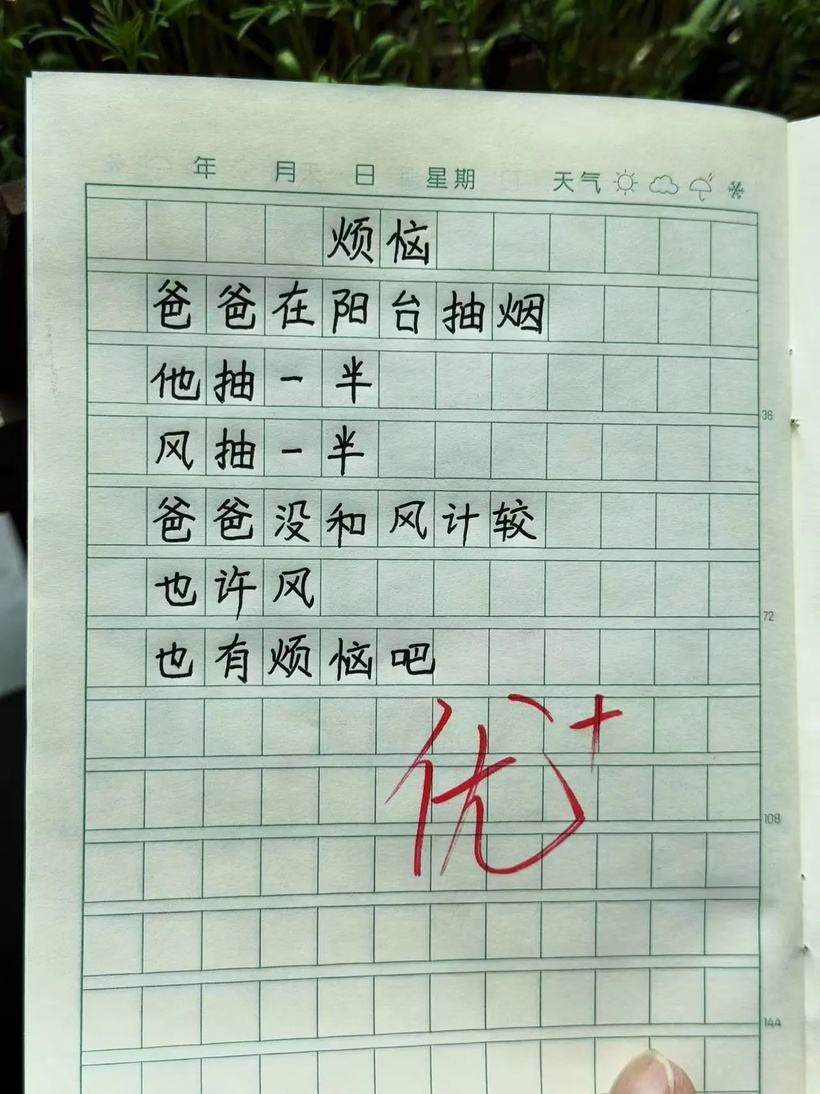
小孩的詩,我嘗試改一下


圖一、小孩的詩。圖片來源

網友給我傳來一首兒童詩,認為寫得好。撇開殘體字不論,此詩寫得不錯的。原詩是:

煩惱

爸爸在陽台抽煙

他抽一半

風抽一半

爸爸沒和風計較

也許風

也有煩惱吧


究竟風吸的煙,是抽煙還是吹煙?即是說,人在吸煙的時候,實際上是空氣灌了入去,是吹。風很大的時候,是空氣灌進煙內,也在外圍吹,令煙燃點得更快些。

在詩的想像中,不會理會這些物理機制,理會到當然更好,詩寫得更現在,不理會,沒人會責怪。

這詩的缺陷,是主體由父親轉去了風,以煩惱作結論,道出意義,煩惱也是詩的題目。風的主體不夠強,故此令詩的想像力削弱了。


要改好,是這樣:

煩惱

爸爸在陽台抽煙

他抽一半

風抽一半

爸爸沒和風計較

也許風

也有它的煩惱吧


加入「它的」,在上面用粗體字顯示。這就令風有了主體性,令詩人也關注其風來,而不是歸結到煩惱去。

不要說破,保持愚昧與天真。這是極為重要也是極為基本的詩藝。在中國詩藝,稱之為含蓄,不直露。含蓄是《詩經》奠定的中國詩藝。

當老師的,如果可以加上「它的」,然後對小孩說出上述的道路,他/她可以省回二十年的讀書時間,成為超越同儕的小神童。

Source: 陳雲

https://www.patreon.com/posts/xiao-hai-de-shi-125973884

Wednesday, January 29, 2025

蛇化龍飛,勝利歸來——城邦新年文告

一元復始,萬象更新。是日年初一,大日正照,天地有正氣,祝各位身壯力健,龍馬精神,步步高升,路路亨通。乙已蛇年,乃伏藏變化之年,蛇善藏匿,也善變化,龍化蛇而藏,蛇化龍而飛。下一年是赤馬紅羊,火氣與陽氣充沛,大可天地變動,朝綱改換,故今年宜靜觀其變,休養生息。

蛇乃潛龍,潛龍勿用,真氣內斂,伺機而動。躲過疫情三年,世界之荒誕,人事之反覆,各位心領神會,一笑置之。「羽扇綸巾,談笑間,檣櫓灰飛煙滅。」邪不能勝正,惡不能欺善養氣久住,自可見到人間澄清,正義再臨

市道雲淡風清,香港樂得清靜。唐人王維詩句,「行到水窮處,坐看雲起時」,郊外遠足,行到山溪之頂,清泉藏於石下,抬頭便見青天白雲,大日正照。

「大風起兮雲飛揚,威加海內兮歸故鄉!」本地義人伏藏養志,海外遊子勝利歸來


後記:

今日如常去公園踢腿和河邊緩跑,回來沏茶之後寫文章,恭祝新年進步。

現在我每星期都加多一點鍛煉,如緩步跑多一段路,馬步站樁多幾次呼吸,上落三層樓梯多十幾級。高踢腿一百下,由三區間休息變成兩區間休息,遲些一次踢一百下。

 一兩星期內有一次在附近小山遠足,或上萬佛寺的百步梯,刺激肌肉生長和強化新陳代謝,務求做到經常有進步,令自己充滿朝氣。

 老驥伏櫪,不能志在千里,必須坐言起行,才可千里飛馳。

Source: 陳雲

https://www.patreon.com/posts/she-hua-long-fei-121017681

Saturday, October 12, 2024

我和AI有個比試

話說同道學生有封通告要草擬(圖一)。題目是公司要求庶務員工做管理學訓練。她用AI的ChatGPT來做,我自己打字作文,之後大家比較一下結果,看看人工智能和人的差異。

圖一、通告的要求

AI的平庸之作


AI做的模本是這樣的:

Subject: Launch of e-learning platform for general office staff

Dear Team,

We are excited to announce that we will be launching a new e-learning platform commencing in Q2 2024. This e-learning platform will cover management theories on leadership, innovation, motivation, persuasion, teamwork and emotion management and will be available to all general office staff.

It is designed with the objectives to enhance the skills and knowledge of our team and have better teamwork in the workplace.

The training program will consist of a series of modules that can be completed at your own pace. It is important that all employees complete the training by the end of 2025. A certificate of completion will be provided upon the successful completion of the program.

We are committed to investing in the development of our employees, and we hope that you take advantage of this opportunity to improve your skills and grow with the company. We look forward to your participation.

Best regards,

Human Resources


那是一板一眼,除了責任所在而要看之外,毫無溫暖可言,文采更是欠奉。


陳雲的四分鐘平庸之作


我用了四分鐘來打字,雖然離開公務十幾年,這些公文以前在珠海書院英文系教過兩年,故此一揮即就。

以下是我草擬的通告:

Dear colleges,

Do you want to keep you young, attractive and full of vigour?  And appear smart and trendy among your peers?  So do our company!  Our company has to be fit during these challenging time and be smart among our competitors.

Spring has passed and summer season is coming.  We need to brush up our skills, sharpen our mind and make better use of our emotion. We are arranging a managerial gym session for all general staff.  Training will be on-line, which includes leadership, innovation, motivation, persuasion, teamwork and emotion management.  There will be a face-to-face sharing and coaching session afterwards. Details are as follows:


Q2 2024 E-Learning Sharing and Training Session

Date:

Time:

Place:

Coach:


We will appreciate for your commitment to it.  Refreshment will be provided during breaks (will be plenty!) and useful souvenir will be awarded to all participants.

Looking forward to seeing you. 

Yours sincerely,

HR


E-learning 平台的詳情,我沒特別講,因為既然經常要做,就另行用email告知習作的連結。此外,我改了一下要求,設立多了一個事後的sharing and coaching session。 因為這些e-learning如果沒有面對面的總結和交流,是難以保證成效的,也令員工討厭公司。當然,這樣做就要先向上級建議更改,如果自己就是主管,當然自己作主啦。

以前在香港中文大學英文系的寫作課(English Writing),讀了一年,教科書有三本:Elements of Style, The King’s English 和The Complete Plain Words.  那是為培養英國公務員寫作的寶典。為了香港學生而設的文法書是Michael Swan的Practical English Usage.  我用功最深的是公務員寫作指南The Complete Plain Words,十幾年前在《中文解毒》第二冊介紹過。該書第三章的公文三要旨是:Be simplebe shortbe human.

我用四分鐘打字草擬的通告,就用這三要旨,特別是be human。因為這種逼人參加的訓練營,必須要顯得人情溫煦,給社畜一點尊重行文略有一點英國詩或散文的節奏用字則以Anglo-Saxon的本地字為主(fit, smart, trendy, skill, mind之類)避免Latin來的英文衍生字(除非是refreshment,因為比snack看起來多些花樣),將人性化提高

為什麼AI只是平庸之做呢?因為來自大數據,而大數據都是波茨曼曲線的中間狀態,故此只能是平庸(mediocre)。(參考本欄文章:ChatGPT可以取代平庸及製造平庸——ChatGPT答案文本的哲學分析(一)Mar 5, 2023為什麼不能採用作家或公文高手的作品呢?因為首先是樣本少,而且好多是幾十年前、甚至一百年前留下的,必須要將之革新才可以用。其次,好的公文都是特別tailor-made的,不能隨便挪用到其他情景啊。


Source: 陳雲

https://www.patreon.com/posts/wo-he-aiyou-ge-113860007

Sunday, July 07, 2024

充氣展覽,雙方不歡而散


圖一、原創藝術家Joann要求展覽停辦


日前我評論過中環的吹氣展覽,豈料事情急轉直下。

《Yahoo新聞》專訪了亞美尼亞的藝術家 Joann,她「不喜歡」展品的效果,認為展品「醜怪」、比例欠佳,打燈令效果更醜。她又向《Yahoo新聞》表示,不喜歡自己的名字出現在這醜陋的展覽上,指這概念屬於她的,要求主辦方停辦展覽。

《中環夏誌》由私人機構 Culture Venue Management(CVM) 主辦及出資的非牟利活動,並非政府項目及受政府資助,但該機構之前有領取政府盛事基金的資助來做展覽。CVM知悉藝術家的意見之後,認為展品傳了給她,已得到她同意,故此如舊展出。

主辦者在得知市民厭惡金字塔變成綠色之後,已改為紫色,證明他們知道不妙,到了原創藝術家出言反對,卻不商議改善或取消,反而堅持展出。雖然合約已經買了概念的版權,但效果和評論不好,便需要改善,這是尊重藝術家意願,二來是尊重公共空間,不能明知被認為醜陋也一意孤行。

雖然是私人出資,在公共空間放置藝術是要顧及美感和評論的,這是香港很多商家不屑去理解的地方,以為是私人出資就可以我行我素。而主辦者的美學知識,更是不敢恭維,例如展品放什麼顏色都有人批評,而白色代表優雅純潔。

有美學常理的都知道,白色顯出優雅純潔,要看放在什麼場合和素材,放在婚紗或會議桌是可以的,但放在豎起的石碑狀的吹氣柱體,就似西洋墓碑。本來,原創藝術家有意見,合理的公關做法商議之後,請她來港看看,與民眾見面交談,之後就地改動展覽,這樣就不必自己挨罵,也許只是支出十萬元以內的經費就可以辦妥,可惜,香港的商界就喜歡用最醜陋的方式處理這藝術爭議。

圖二、主辦者堅持照舊


Source: 陳雲

https://www.patreon.com/posts/chong-qi-zhan-bu-107679736

Friday, July 05, 2024

特區政府鬥三煞?

圖一、中環吹氣塑膠的世界奇觀


之前有KAW死人漂浮公仔、東九龍中心白花陣、現在中環海濱又有死人金字塔和白色墓碑展示。圖中的綠色金字塔,白天是白色的,晚上打光上去變綠色,為什麼不打金光或黃光呢?這顯然令人想起衙門暫時掩蓋跳樓死亡的遺體的綠色膠布金字塔,說是藝術是難以服人的,因為一堆好似以前深圳世界之窗的世界奇觀景點大聚集,只是奇觀風格spectacular)而已,不會討論出什麼美學意義。

我私下認為,這是政府由某些人指點而行的假死術——好似有錢佬玩葬生基(俗稱種生基),代替香港死亡幾次,或在象徵世界(巫術世界)加速香港的死亡,但現實香港仍未死,只是局部復元之中。


圖二、大周朝女皇帝武則天的除罪金簡

這是死裏求生的巫術。唐代道教將之改造為除罪方術,例如女皇帝武則天曾經在河南嵩山投下除罪金簡,希望道教的地官可以赦免她的罪惡。在求偏財的賭場、舞廳、妓院等,有時也刻意揀選風水惡劣的三煞地來開業,或者在風水好的地方,刻意用門口方位等方式破格,就是「欲要發,鬥三煞」的方術。

防疫惡政三年,弄出空前衰退,政府自知罪孽深重,玩這些假死的方術是情有可原的。然而,假若政府真的在玩方術,就只能嘆息一句:不問蒼生問鬼神。


詳情

被市民評為一堆「墓碑」的,是「SummerFest@Central  中環夏誌」五件巨型充氣裝置之一,聞說叫「英國巨石陣」。此外還有充氣「意大利比薩斜塔」、充氣「法國凱旋門」,但要數最震撼人心的,一定是那個在晚上發綠光的「埃及金字塔」,分明把跳樓現場常見的綠色三角帳篷放大了100倍。


到底是哪位天才設計出這些觸目驚心的充氣裝置呢?「中環夏誌」主辦方稱,設計靈感是受國際知名AI藝術家@joooo.ann的作品所啟發。@joooo.ann原名叫Joann,是亞美尼亞一位設計師和插畫師,擅長透過AI技術創作別開生面的作品,其中一個著名系列就叫「充氣奇蹟(Inflatable Wonders)」 。


Source: 陳雲

https://www.patreon.com/posts/te-qu-zheng-fu-107499914

Sunday, April 28, 2024

國家限制了想像


圖片來源:面書

由於中共以龐大的國力散播語言偏見,令正楷、正體中文變成繁體字、繁體中文,也由於台灣以電腦技術能力和美國撐腰,令所謂繁體中文代表的地區是台灣。

所謂繁體中文,正名是正楷漢字漢楷中文正楷中文,不是繁體中文。正楷中文是傳承自悠久歷史而歷久不衰(直至一九四九年中共用國力推行簡化漢字)沒有代表的地區,正如歐洲長期使用的通用語言拉丁文沒有代表的地區天主教區或教廷梵蒂岡也不是代表拉丁文

正楷中文不必放現今政權的旗幟來代表,如果要放,用王朝的黃龍徽號就可以。在這方面,立場偏狹的小器的台灣當局不會推動,香港也喪失推動的能力了。

Source: 陳雲

https://www.patreon.com/posts/guo-jia-xian-zhi-103192745?utm_medium=post_notification_email&utm_campaign=patron_engagement&utm_source=post_link&token=eyJhbGciOiJIUzI1NiIsInR5cCI6IkpXVCJ9.eyJyZWRpc19rZXkiOiJpYTI6YjcwNWQzY2EtMzJlNS00NGJkLTgyNGItZTUyZTY0ZTdmNTczIiwicG9zdF9pZCI6MTAzMTkyNzQ1LCJwYXRyb25faWQiOjM5ODczNjcxfQ.99MIODSM4_0-EZVZGzGdfD_B5ijDKlpQYdknKOAAlmk

Thursday, February 22, 2024

通用中文,竟成奧秘——日本關西機場寫錯廣東話!


圖一、雅虎新聞用的示意圖

日本機場寫廣東話,港人大悅?看寫了什麼囉。

日本關西機場在一面隔板上寫了簡體中文和粵白中文字,依次為:「不要靠在這堵牆上」。「唔好靠喺堵牆上」。

筆者不禁嘆息,寫好通用的公文,竟然比寫詩詞還要難啊。現在的北方官話,就是大陸的中文,他們叫現代漢語,確是這樣講:「不要靠在這堵牆上。」牆要帶有量詞,一堵牆是口語、白話一面牆是書面語、文話「靠在」是倚靠之意,古文叫依或倚靠在口語是不能單用的,否則有靠它來過關之意,廣東話的「靠嗮渠」。

廣東話並無「靠在」的講法,也無「喺牆上」的講法。反而是用的古語,口語是beng3.


圖二、告示說的,是臨時隔板不能挨貼,否則有翻倒之虞。

用作告示的通用中文,必須語意清晰、無歧義,而且望文生義,最好是符合四字詞語的對稱,「不要靠在這堵牆上」的通用中文是:「勿倚此牆」。「勿靠此牆」不能用,因為「靠」字有歧義,是依靠之意。我想,全世界的語言,甚至外星人的語言都沒有中文的簡潔明白,而且佔據位置最小。要寫到這種中文,讀正確的教科書,小學程度就足夠了。如果讀的是病態洋化中文教科書,研究院中文系博士畢業也寫不到,我見過的那些博士可以寫得舊詩詞,卻寫不到通用中文。

為什麼倚字無歧義,而靠字有歧義呢?因為倚字的因、偏、側的意思在周朝已用如《左傳·昭五年》:「薳啓彊曰:『設机(几)而不倚,爵盈而不飮。』」語譯:「薳啓彊說:『給你安好個茶几你不倚靠,給你斟滿酒杯你不飲酒。』」),後世因循,意義穩定。靠字在古文是相背、相違的意思,並不是互相依靠。漢·許慎《說文》:「相違也。」清·段玉裁《說文解字注》:「今俗謂相依曰靠。古人謂相背曰靠。其義一也。猶分之合之皆曰離。」明末張自烈撰寫的《正字通》才記錄依附的新義:「今俗依附曰倚靠。」故此,意義穩定的中文,是寫:「勿倚此牆」,而不寫「勿靠此牆」。

寫挨可以嗎?不能。挨的古義是擊打、擊背之意,引申為今日的挨打之意。記錄漢代方言的揚雄《方言》如此說:「强進曰挨。」是強行進入之意,引申為今日的強力倚靠之意。明末張自烈《正字通》記錄挨的新義:「今俗凡物相近謂之挨。」現在通俗的講法,凡是物件相近就叫「挨」。

唔好挨喺埲牆度呀!

廣東話是怎樣講呢?廣東話都有量詞,一堵牆,廣東話說「一埲bung6牆」。bung6的寫法是埲,但有幾多人懂得?是:「唔好挨喺bung6牆度」。更通俗的講法,是「唔好beng6喺埲牆度」,除非考證一番,否則難以寫為文字。不過,由於beng6與bung6難聽難講,故此一般都是講「唔好挨喺埲牆度」,beng6是必須寫的,否則就是所有牆都不能挨貼了。「埲牆」是「呢埲牆」的簡稱。

是board,不是wall!

最後,當然那只是隔板,不是嚴格意義的牆。英文該是:Don’t lean against this board. 寫board,令人知道那不是牆,不能倚靠。那麼中文該是:「勿倚此板」。廣東話說:「唔好挨喺塊板度。」

既然中文言簡意賅,倒不如寫得文雅客氣:「此板不穩,勿倚為妙」。甚至改寫套語,寫為:「君子不倚危牆之上」也可。

Source: 陳雲

https://www.patreon.com/posts/tong-yong-zhong-98998798?utm_medium=post_notification_email&utm_campaign=patron_engagement&utm_source=post_link&token=eyJhbGciOiJIUzI1NiIsInR5cCI6IkpXVCJ9.eyJyZWRpc19rZXkiOiJpYTI6ZWY3YjAzMWMtYWI4MS00ZTk5LWJhODMtM2U3OTljM2QyZjQyIiwicG9zdF9pZCI6OTg5OTg3OTgsInBhdHJvbl9pZCI6Mzk4NzM2NzF9.yfDfuOOy5N8kEuTA39sc07BqHun9xAVPmoNibCO0kbY

Wednesday, February 14, 2024

龍不能翻譯為dragon嗎?


久不久,中共就獻醜。今年是甲辰龍年,中國官媒忽然棄用「dragon」而改為「loong」(龍的音譯)甲辰龍年將至,年二十九(二月八日),央視網發文指出,近期很多網友曬出龍年活動照片,但從中發現了一個有趣的現象,就是龍的英文不再翻譯為「dragon」,而是「loong」。文章並介紹了loong的出處,並指出中國龍代表好運吉祥,西方龍負面的形象有別。中國環球電視網(CGTN)也在報道中多次使用Loong,如將龍年翻譯為「Loong Year」,把龍舞譯為「Loong Dance」等。[1]

香港特首的新年賀詞也跟隨大陸用語。有評論認為,事件反映中國缺乏文化自信,想藉更改譯名取回文化話語權。

龍的英譯是dragon,已是多年慣例,有說英文的龍是惡獸,華夏的龍是瑞獸,事實不然,華夏的龍在王朝仍是惡獸,否則何來葉公好龍屠龍之技批逆鱗(龍下頷有逆鱗不能惹)的成語?只是王朝覆亡之後,平民自稱炎黃子孫,台灣李建復高歌《龍的傳人》之後,龍才被視為瑞獸。故此英文用dragon翻譯龍,顯出龍在華夏的本義,恰當不過。

即使不恰當,也得接受。斷不能用音譯,因為音譯只是給予與世隔絕的部落民族,如南美和澳洲的土著的圖騰神獸或風俗名詞就不宜英譯,如破壞財產來炫富的potlatch。華夏文明一向與域外交流通暢,而且理性清明,並無難譯或不可譯之處,除了一字多義的道與氣之外。

將龍翻譯為loong,是貶低華夏文明為西太平洋小島或阿瑪遜叢林部落。此外,中共居然放棄漢語拼音的long(與英文的長同字),也不用Wade-Giles的lung(與英文的肺同字),而屈就於以前香港買辦用的英文擬音的loong,可謂苦心之至,實則滑稽絕倫,胡鬧頂透。


[1] 中西有別 官媒:龍不再譯為「dragon」而是「loong」香港01 2024-02-09

https://www.hk01.com/article/989503?utm_source=01articlecopy&utm_medium=referral


Source: 陳雲

https://www.patreon.com/posts/long-bu-neng-fan-98466613?utm_medium=post_notification_email&utm_campaign=patron_engagement&utm_source=post_link&token=eyJhbGciOiJIUzI1NiIsInR5cCI6IkpXVCJ9.eyJyZWRpc19rZXkiOiJpYTI6NWJkMzUwM2YtMjVmNC00ZWI1LWI3MGMtZTdhNzdiZDIxODE4IiwicG9zdF9pZCI6OTg0NjY2MTMsInBhdHJvbl9pZCI6Mzk4NzM2NzF9.EE4ZuPKasoZBckSFGvNCALJbH8DnPrqoifVRn_XsXMg